
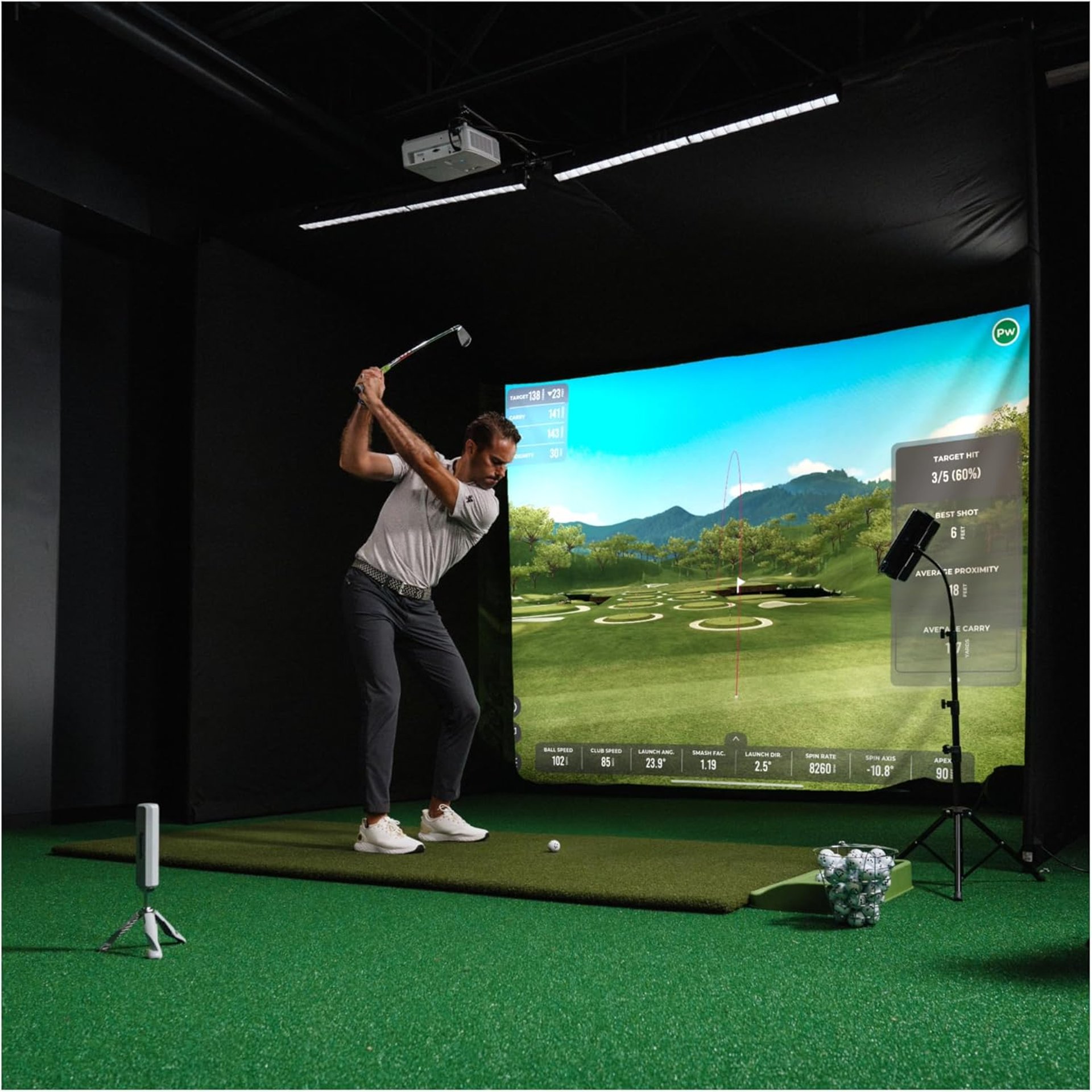
Best Home Golf Simulators
Building a home golf simulator isn’t just about convenience—it’s about being able to practice, play, and improve without relying on weather, time, or course access. The problem is most setups either underdeliver or cost way more than they should.
This guide breaks down the best home golf simulators based on real-world use, space considerations, and performance—not marketing claims. Whether you’re building a garage setup or a dedicated sim room, this will help you choose the right system the first time.
If you’re still figuring out the basics, it helps to understand how simulators fit into the broader golf technology ecosystem—you can get a full breakdown in the Golf Technology Guide.
SkyTrak Launch
Monitor
BEST FOR: Home sim builds
Built for accuracy and consistency. Reliable data without overcomplicating your setup.
ACCURACY:
High accuracy
DATA TYPE:
Ball tracking
SETUP NEEDS:
Moderate space
LONG TERM:
Reliable use
WHY IT WINS
Accurate shot data
Reliable indoors
Strong software
USE CASE
Garage setups
Practice sessions
Skill building
8.7
OVERALL SCORE
Garmin
Approach R10
BEST FOR: Entry setups
Affordable entry into simulation. Good feedback without needing a full dedicated space.
ACCURACY:
Moderate
DATA TYPE:
Radar tracking
SETUP NEEDS:
More space
LONG TERM:
Entry option
WHY IT WINS
Budget friendly
Easy setup
Portable use
USE CASE
Small spaces
New golfers
Flexible setups
8.4
OVERALL SCORE
OptiShot 2
Simulator
BEST FOR: Tight rooms
Built for speed + accuracy. the goal isn't novelty - it's durable markings, stable balance, and minimal fatigue.
ACCURACY:
Low
DATA TYPE:
Swing sensors
SETUP NEEDS:
Minimal space
LONG TERM:
Light use
WHY IT WINS
Minimal space needed
Very affordable
Quick setup
USE CASE
Basements
Apartments
Casual play
8.2
OVERALL SCORE
Bushnell
Launch Pro
BEST FOR: Serious golfers
Built for speed + accuracy. the goal isn't novelty - it's durable markings, stable balance, and minimal fatigue.
ACCURACY:
Elite
DATA TYPE:
Full tracking
SETUP NEEDS:
Dedicated space
LONG TERM:
Commercial use
WHY IT WINS
Elite accuracy
Fast readings
Pro-level data
USE CASE
Dedicated rooms
Serious training
Data tracking
9.2
OVERALL SCORE
Most people go too cheap the first time. They pick something that technically works, but doesn’t actually help them improve. A few months later, they’re upgrading anyway.
Another common mistake is ignoring space requirements. Ceiling height, swing clearance, and ball flight distance matter more than people expect. If your setup is cramped, the experience suffers immediately.
Some buyers go the opposite direction and overbuy. They spend thousands on features they don’t use, thinking more expensive automatically means better results.
There’s also confusion around setup. Not all simulators are plug-and-play. Some require calibration, software subscriptions, or specific room conditions to work properly.
If you're unsure about space requirements, start with golf simulator room size requirements before choosing a system. Ceiling height, swing clearance, and ball flight distance matter more than people expect—especially if you haven’t looked into minimum ceiling height for a golf simulator.


Why Most People Choose the Wrong One
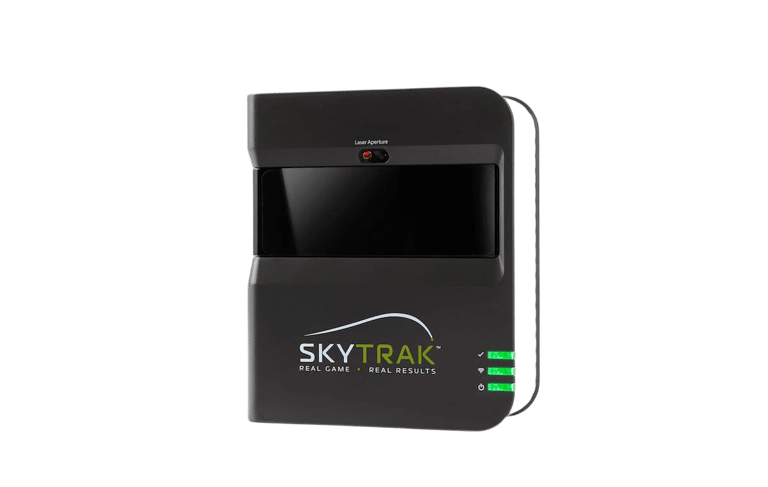
SkyTrak Launch Monitor
Short Verdict:
The best balance of accuracy, price, and usability for home golf simulators.
Best For:
Most home setups
Not Ideal For:
Outdoor use or very tight spaces
Key Strengths:
Proven shot accuracy
Strong simulation software support
Works well indoors
Reliable long-term option
Key Weaknesses:
Slight shot delay
Requires subscription for full features
Real-World Use Case:
Ideal for a garage simulator where you want consistent feedback and realistic ball flight without jumping into high-end pricing.
Setup Notes:
Needs enough ball flight space and controlled lighting. Works best in dedicated hitting areas, similar to setups outlined in best golf simulators for garage builds.
If you want a simulator that actually helps you improve, this is the safest starting point.
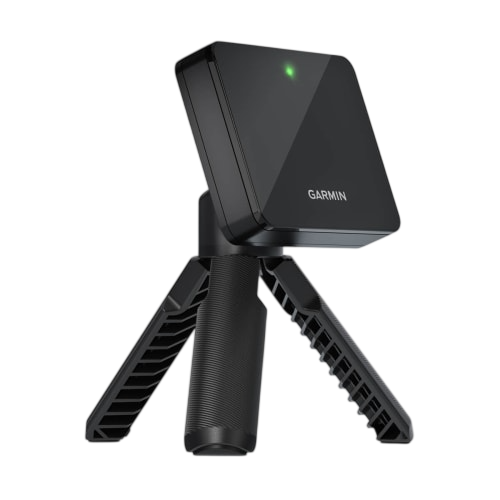
Garmin Approach R10
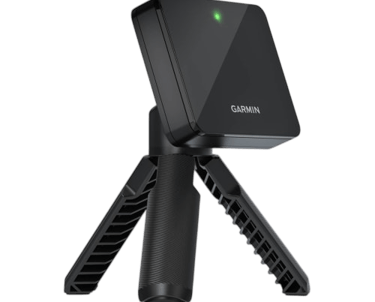
Short Verdict:
The best entry-level option that still provides real data.
Best For:
Budget-conscious buyers
Not Ideal For:
Highly accurate indoor-only setups
Key Strengths:
Affordable
Portable and easy to set up
Tracks key metrics
Works indoors and outdoors
Key Weaknesses:
Less accurate than higher-end units
Requires more setup precision
Real-World Use Case:
Perfect for someone testing the waters with a home simulator before committing to a larger build.
Setup Notes:
Requires proper spacing behind the ball. Works best when setup guidelines are followed closely.
A strong starting point if you want real feedback without overspending.
OptiShot 2 Golf Simulator
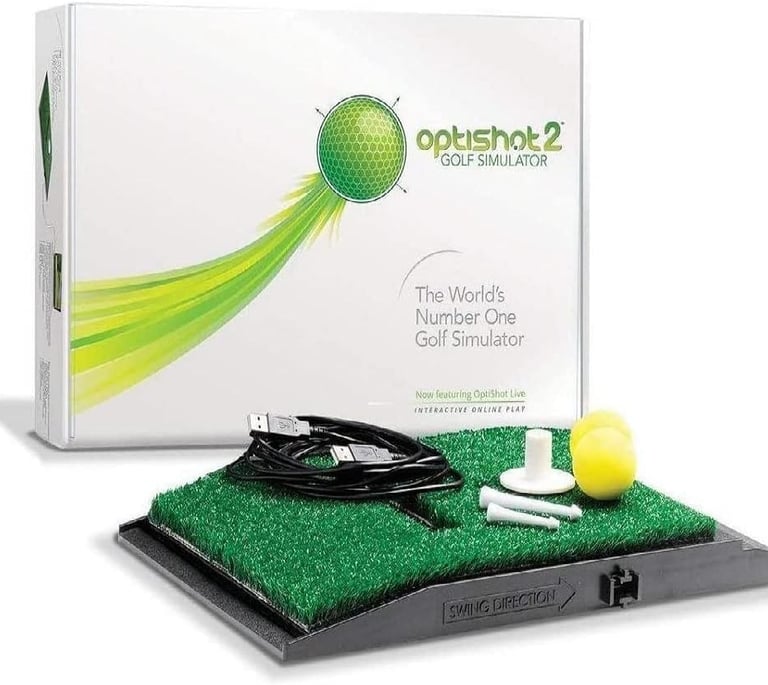
Short Verdict:
A budget simulator focused more on play than precision.
Best For:
Casual players and small spaces
Not Ideal For:
Serious practice or data tracking
Key Strengths:
Very affordable
Minimal space requirements
Easy setup
Good for entertainment
Key Weaknesses:
Limited accuracy
No true ball tracking
Real-World Use Case:
Best for casual home setups where you just want to swing and play without worrying about performance data.
Setup Notes:
Works in tighter spaces with minimal requirements, making it easier to fit within standard golf simulator room size requirements.
Good if your goal is fun and convenience, not performance improvement.
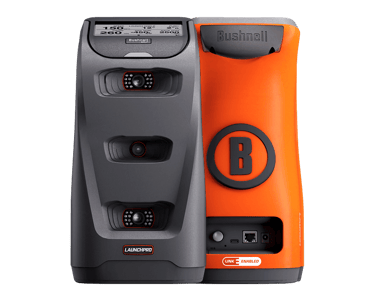
Bushnell Launch Pro
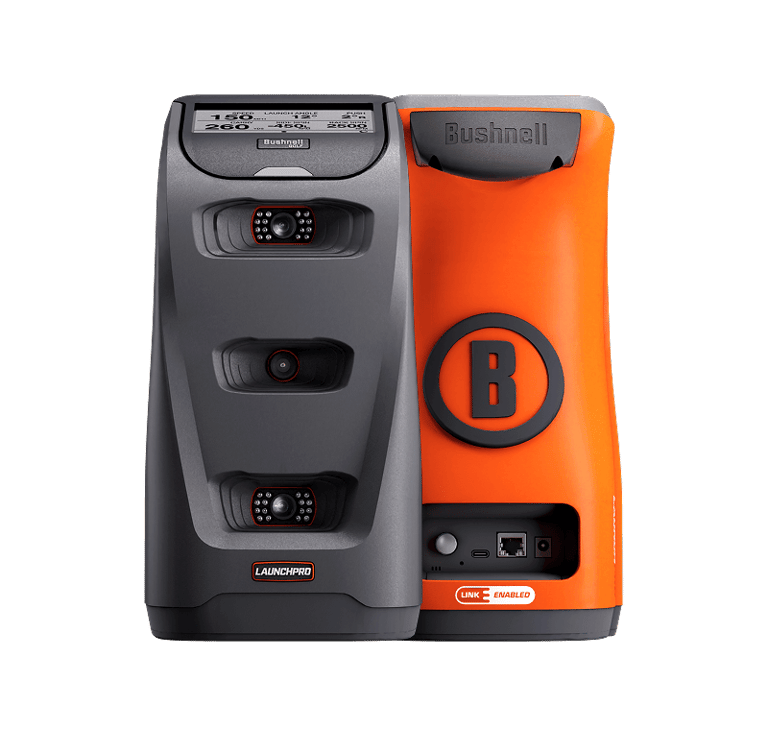
Short Verdict:
High-end performance for serious home golfers.
Best For:
Advanced users and dedicated setups
Not Ideal For:
Budget buyers
Key Strengths:
Exceptional accuracy
Fast, reliable readings
Professional-grade data
Strong build quality
Key Weaknesses:
Expensive
Subscription costs for full features
Real-World Use Case:
Ideal for a dedicated simulator room where performance and data matter more than cost, especially when compared against other launch monitors at different price tiers.
Setup Notes:
Requires proper space and a stable indoor environment to maximize performance.
If you want near-professional performance at home, this is where you step up.
BUYING GUIDE (HOW TO CHOOSE)
Budget
Entry-level setups can get you started, but they often lack accuracy. Mid-range options offer the best balance, while premium systems are long-term investments.
Space Requirements
Room size matters more than most expect. Ceiling height, swing clearance, and ball travel distance all impact usability.
If you're comparing different setups, this breakdown of golf simulators helps clarify what you actually need.
Accuracy / Performance Needs
If you’re practicing seriously, accuracy matters. Casual players can get away with lower-end systems, but improvement requires reliable data, especially when you understand how launch monitors work and what data actually matters.
Setup Complexity
Some systems are plug-and-play. Others require calibration, software setup, and environmental adjustments.
Compatibility
Check what software the simulator supports and whether it works with your devices. Some systems lock features behind subscriptions.


COMMON MISTAKES TO AVOID
Buying based on price alone
Ignoring room size and ceiling height, which is one of the biggest issues covered in golf simulator room size requirements.
Choosing entertainment systems when you want performance
Overbuying features you won’t use
Underestimating setup requirements
Frequently asked questions
How much does a home golf simulator cost?
Anywhere from a few hundred dollars to several thousand, depending on accuracy and features.
What room size do I need?
Most setups require enough space for a full swing and ball flight. Ceiling height is often the biggest limitation—especially if you haven’t reviewed minimum ceiling height for a golf simulator.
Are cheap simulators worth it?
They’re fine for casual use, but not ideal for improving your game.
Is setup difficult?
Some systems are simple, while others require calibration and software setup.
Can I use a simulator outdoors?
Some models allow it, but most are designed for indoor use.
Do I need a subscription?
Many systems require subscriptions for full simulation features.
Final Verdict
Best Overall: SkyTrak Launch Monitor
Best Value: Garmin Approach R10
Best Premium: Bushnell Launch Pro
Best for Small Spaces: OptiShot 2
For most people building a home golf simulator, the goal isn’t just to play—it’s to actually improve. That’s why choosing the right tier matters more than chasing the lowest price. Start with something that fits your space and your goals, and you’ll avoid upgrading twice.
© 2026 GolfTechBuzz. All rights reserved.
Golf Tech Buzz
Performance Through Data
Practical guides, real-world setups, and unbiased comparisons for golfers building smarter practice environments.
Home
Golf Technology Guide
Golf Simulators
Launch Monitors
Golf Rangefinders
Golf GPS Devices
General Inquiries:
Best Home Golf Simulators
Best Golf Simulators for Garage
Best Launch Monitors
Best Budget Launch Monitors
Best Golf Rangefinders