

What Material Is Best for Impact Screens
Discover the best impact screens material for golf simulators balancing durability, image clarity, and longevity for your setup.
SIMULATORS
Golf Tech Buzz Editorial Team - Led by AJ “Buzz” Eichman
4/15/20267 min read
If you’re diving into the world of golf simulators, one thing you quickly find out is the impact screen—the surface you’re actually smacking the ball into—is a big deal. If you’re still building out your setup, it’s worth understanding how screens fit into the bigger picture inside Golf Simulators. Get it right, and you’ve got sharp images, a realistic rebound, and a screen that lasts through multiple tee-offs. Get it wrong, and your screen becomes a shredded mess or a blurry mess. The big question? What material should you pick for your impact screen that balances durability, image clarity, and use longevity? Let me walk you through the lowdown on materials, what works, what doesn’t, and what fits your setup like a glove.
Quick Verdict
Woven polyester is your all-around solid bet—great image clarity and durable enough for most home setups.
Impact vinyl is tougher against ball strikes but tends to soften image quality slightly.
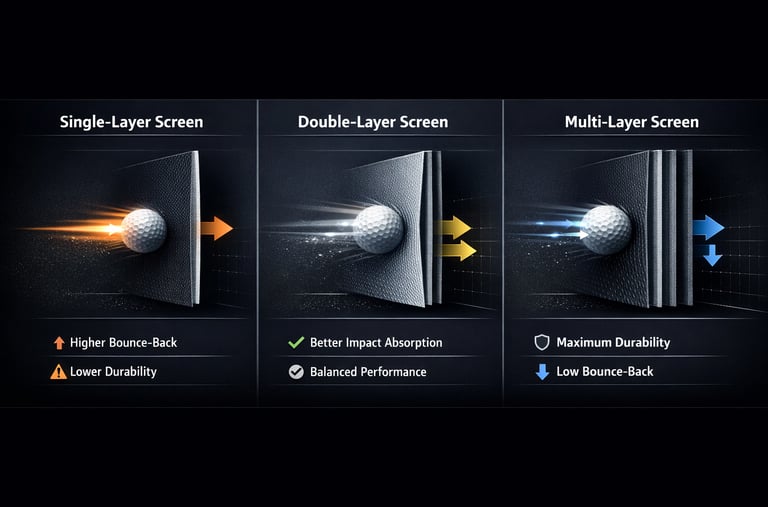
Thickness means trade-offs: thicker screens take hits better but can mess with your projected image sharpness.
Proper screen tension and installation often matter as much as the material itself.
What Are Golf Simulator Impact Screens?
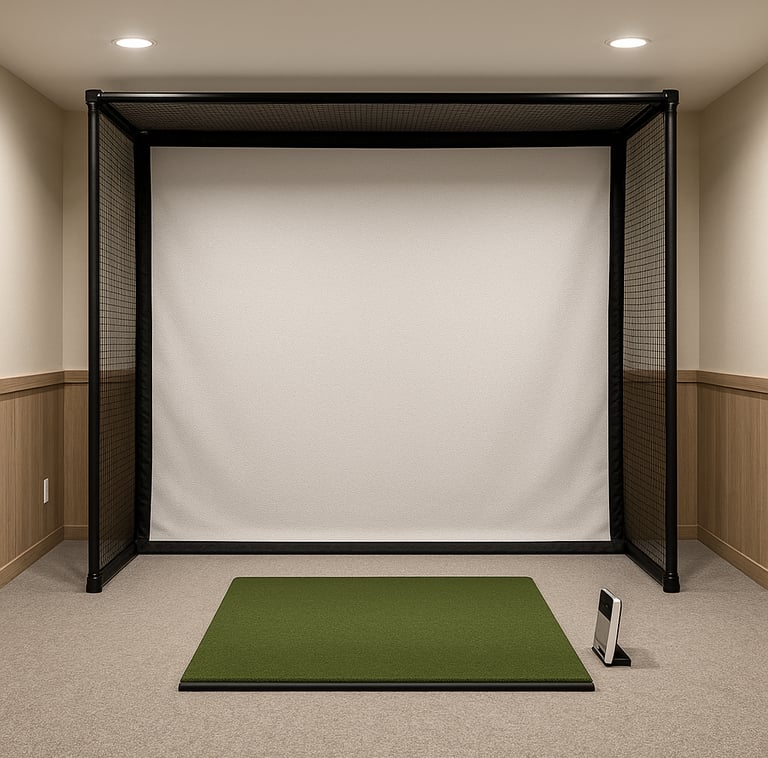
Think of your impact screen as the unsung hero of your golf simulator. This is the “net” you hit shots against, but unlike a basic net, it’s the screen your projector uses to display the virtual course or driving range. If you’re deciding between setups, comparing a Impact Screens vs Impact Screens With Enclosure can help clarify how much protection and structure you really need. The ball hits the screen—and it takes a beating. So, the material in play needs to handle constant, fast impacts without tearing apart while letting that crisp, vibrant image from your projector shine through. It’s a balancing act between toughness and visibility.
Common Materials Used for Impact Screens
If you’ve poked around the golf sim forums or hardware stores, you’ll notice two dominant materials: woven polyester and impact vinyl. Both have their hardcore fans, and each brings different perks to the tee.
Woven Polyester
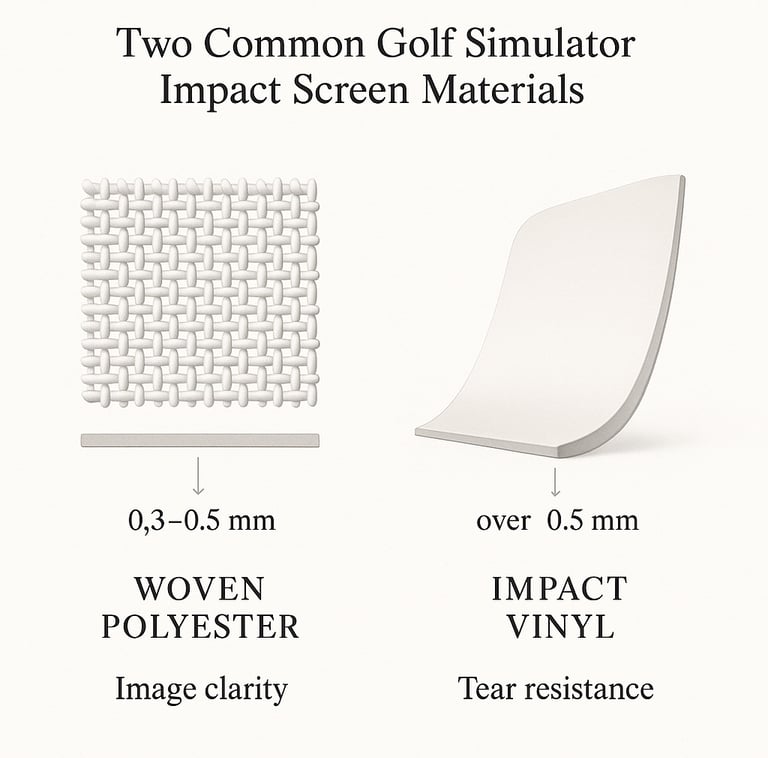
This is the classic material for golf simulator impact screens. Woven polyester is essentially a mesh with super fine fibers tightly knitted together. It’s usually about 0.3 to 0.5 mm thick, which is a sweet spot for durability and image clarity. You get a nice, sharp image from your projector because the weave density handles light diffusion pretty well. If you're shopping around, most of the Best Golf Impact Screens lean heavily into high-quality polyester builds for exactly this reason. Plus, it absorbs ball impacts reasonably well without bouncing the ball too hard—keeping your shots feeling natural.
Impact Vinyl
Vinyl screens ramp up the durability side of things, often running a bit thicker—anything over 0.5 mm is common. Vinyl resists tears like a champ and can take harder hits, making it great for setups where multiple players or heavy daily use is expected, like teaching centers or commercial venues. If you're building a full setup, many of the Best Golf Enclosure with Impact Screens use reinforced vinyl or hybrid materials for added structure and longevity. The tradeoff? Vinyl can scatter light a bit, so the image won’t be quite as razor-sharp as polyester. Think of it as the tank versus the precision sports car.
Durability vs Image Clarity: Finding the Right Balance
Here’s the deal—the best material isn’t just about toughness or just about image quality; it’s about the sweet spot where those factors meet your use case. If you’re setting up a home simulator in a temperature-controlled space, and image sharpness is a priority, woven polyester wins hands down. I’ve seen guys try to cut corners with vinyl or thinner materials, and around week two their screen is pocked with permanent ball marks and fuzzing that messes with the picture.
But if your simulator lives in a garage where temps fluctuate, or you’re running a league with heavy daily use, impact vinyl’s thicker profile and tear resistance keep your screen looking fresh longer—even if you sacrifice a little on the bright, crisp image side.
Installation Tips for Optimal Performance and Longevity
Even the best material can underperform if your impact screen isn’t installed right. Trust me, I’ve been called in more times than I can count to fix saggy screens or stretched materials that warped the image. If you’re starting from scratch, following a proper How to Install a Golf Impact Screen setup will save you a ton of headaches down the line.
Get yourself a proper tensioning frame that keeps the screen tight but not stretched to the breaking point. Sagging will distort projected images and cause premature wear where the ball strikes concentrate. Also, leave a small gap behind the screen to allow the ball to slow naturally without forcing hard rebounds.
Consider your projector type too—a super bright projector paired with a lower-density vinyl screen can look washed out, while a dimmer projector will struggle against dense polyester. Match those up in advance.
Pros and Cons of Woven Polyester vs Impact Vinyl
Woven Polyester
Pros: Excellent image resolution, reasonable durability, good impact absorption, thinner for better projection.
Cons: Can develop wear over heavy use, less tear-resistant than vinyl.
Impact Vinyl
Pros: Exceptional impact resistance, highly tear-resistant, ideal for heavy use, good for variable environments.
Cons: Slightly thicker, reduces image sharpness, can scatter light, may feel less “natural” on ball rebound.
Maintenance and Care for Impact Screens
Here’s something people overlook: your screen survives and stays sharp only if you treat it right. Avoid using harsh cleaners; stick to a soft cloth with mild soap and water. Resist the urge to hit the screen hard when testing or messing around—the screen isn’t a squeeze toy.
Make sure the tensioning frame stays tight but allows for slight stretch to avoid permanent warping. Keep an eye out for cracks or wear spots where repeated ball impacts happen and patch or replace parts early. A neglected screen is a shredded screen, plain and simple. If you’re concerned about long-term wear, understanding Impact Screen Durability Explained can help you spot issues before they turn into full replacements.
How to Choose the Best Material for Your Simulator Setup
Ask yourself a few questions before pulling the trigger:
How often and intensely will I use it? Solo weekend warrior or daily teaching sessions?
What’s my projector’s brightness and resolution? Match screen material to maximize image clarity.
Where is the simulator going? Temperature and humidity can affect vinyl performance more than polyester.
How much space do I have? Bigger screens mean thicker materials need stronger support.
What’s my budget? Premium screens cost more but often last so much longer you save money long term.
Common Mistakes When Choosing Impact Screen Material
Buying a screen without checking compatibility with your projector brightness and resolution.
Skimping on screen tension and mounting hardware, leading to sag and premature damage.
Opting for thin or low-quality materials that can tear after a few sessions.
Ignoring the simulator space and choosing a screen too large or small for proper installation.
Overlooking the trade-offs between impact resistance and image clarity.
Frequently Asked Questions About Impact Screen Materials
What is the difference between woven polyester and vinyl impact screens?
Woven polyester offers better image clarity and reasonable durability, while vinyl provides superior impact resistance and tear durability at the expense of slightly lower image sharpness. If you're still deciding which route to go, reviewing options from Best Golf Impact Screens can help you compare real-world performance differences.
How durable is the best impact screen material for golf simulators?
High-quality woven polyester can last years under typical home use, while impact vinyl endures heavy commercial or teaching use with less wear, often maintaining integrity for longer periods. For higher-use environments, setups like the Best Golf Enclosure with Impact Screens tend to hold up better over time.
Can impact screens be used outdoors or only indoors?
Most impact screens are designed for indoor use. Vinyl screens tolerate humidity better but prolonged outdoor exposure may degrade any screen—storage and environmental control are key.
Does screen thickness affect the image quality of a golf simulator?
Yes, generally thicker screens absorb impacts better but scatter projected light more, which can reduce image sharpness and brightness.
What installation considerations affect impact screen lifespan?
Proper tensioning to avoid sag, maintaining a small gap behind to absorb ball impact, and matching screen size to mounting frames are crucial for durability and image clarity. A proper How to Install a Golf Impact Screen setup plays a major role here.
Are more expensive impact screen materials worth the investment?
If you’re running heavy daily use or want the best possible image, yes. For casual home use, mid-range woven polyester screens provide excellent value.
How do I clean and maintain my golf simulator impact screen?
Use a soft cloth with mild detergent and water, avoiding harsh chemicals. Check tension regularly and repair small tears immediately to extend screen life.
What size impact screen should I choose for a home setup?
Pick a size that fits your available space with enough height and width to catch all shots without forcing awkward swings or risking damage to walls or ceilings.
Wrapping It Up
If you want my take, woven polyester impact screens cover most home setups perfectly. They deliver the image clarity you want for that crisp virtual golf experience and handle ball impacts without giving in too soon. But when the action ramps up to daily lessons or indoor leagues, vinyl steps in as the tough-as-nails option that plays rough and stays smooth underneath.
Remember, it’s not just about the material—it’s how you install and maintain your screen for peak performance. Tight tension, proper mounting, and matching your projector’s specs make all the difference between a screen that flops and one that keeps you dialing in your swing year after year.
Pick right, maintain well, and your impact screen will be the quiet MVP of your golf simulator setup, taking every shot like a champ while showing off your favorite virtual course in stunning detail. Now, that’s a hole in one.
© 2026 GolfTechBuzz. All rights reserved.
Golf Tech Buzz
Performance Through Data
Practical guides, real-world setups, and unbiased comparisons for golfers building smarter practice environments.
General Inquiries: