
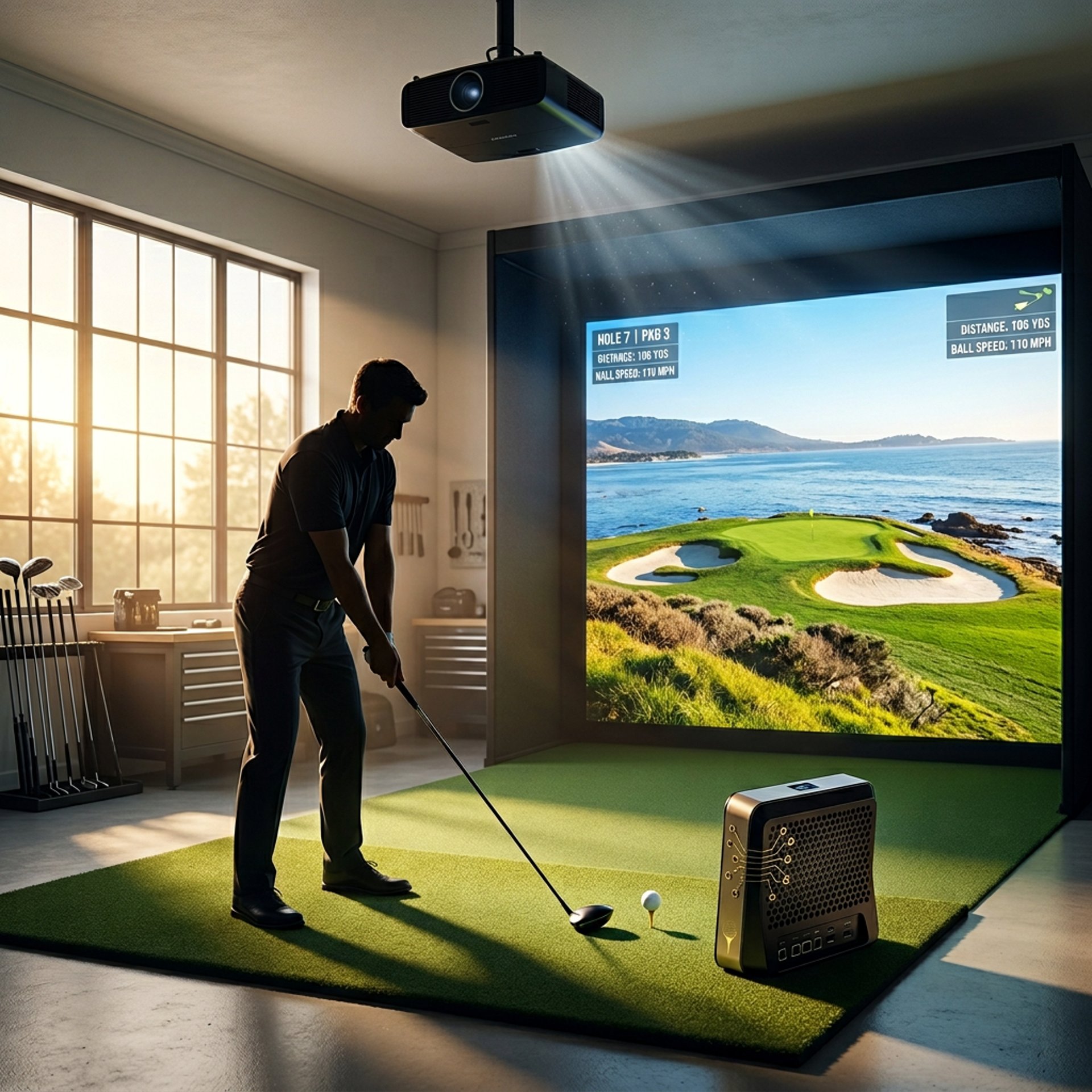
Best Laptops for Golf Simulators
Building a golf simulator setup no longer requires a giant desktop gaming PC. Modern portable systems now make Golf Sim Computers more flexible than ever for garages, offices, and indoor practice spaces.
Modern gaming laptops are now powerful enough to handle GSPro, E6 Connect, projector-based simulator setups, and launch monitor software while still giving golfers the flexibility to move their setup between garages, offices, indoor rooms, or portable practice spaces.
The challenge is figuring out which laptops can actually handle demanding simulator software long term, especially once you understand real-world Golf Simulator PC Requirements by Software.
We researched and compared some of the best golf simulator gaming laptops available right now, focusing on GSPro performance, portability, cooling and thermals, display quality, and long-term value.
Whether you want a portable golf simulator setup or a desktop replacement gaming laptop, these are the systems worth considering.
Transparency Note: We may earn a commission from qualifying purchases. Product selections are made independently and are not influenced by manufacturers.
If you want the best overall golf simulator laptop with the strongest balance between display quality, thermals, portability, and day-to-day usability, the Lenovo Legion 5i stands out as the safest all-around recommendation.
If raw hardware value matters most, the ASUS TUF F16 delivers one of the strongest price-to-performance combinations in the group with RTX 5070 graphics, 64GB RAM, and a massive 2TB SSD.
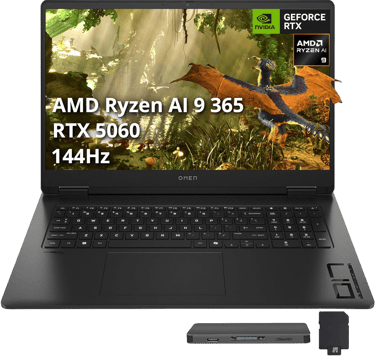
For golfers wanting a true desktop replacement experience, the HP OMEN 17 offers a larger 17.3-inch display that works especially well for simulator control stations and long indoor practice sessions.
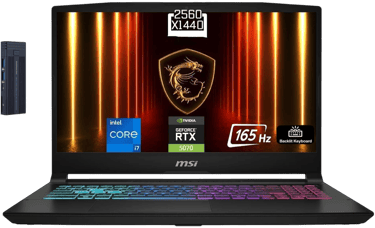
Meanwhile, the MSI Katana 15 focuses heavily on raw gaming performance, making it one of the strongest portable GSPro performers for users prioritizing QHD gameplay and simulator FPS.
For golfers still deciding between portability and desktop upgradeability, The Best Laptops vs Desktops for Golf Simulators breaks down the biggest long-term tradeoffs.
Quick Verdict
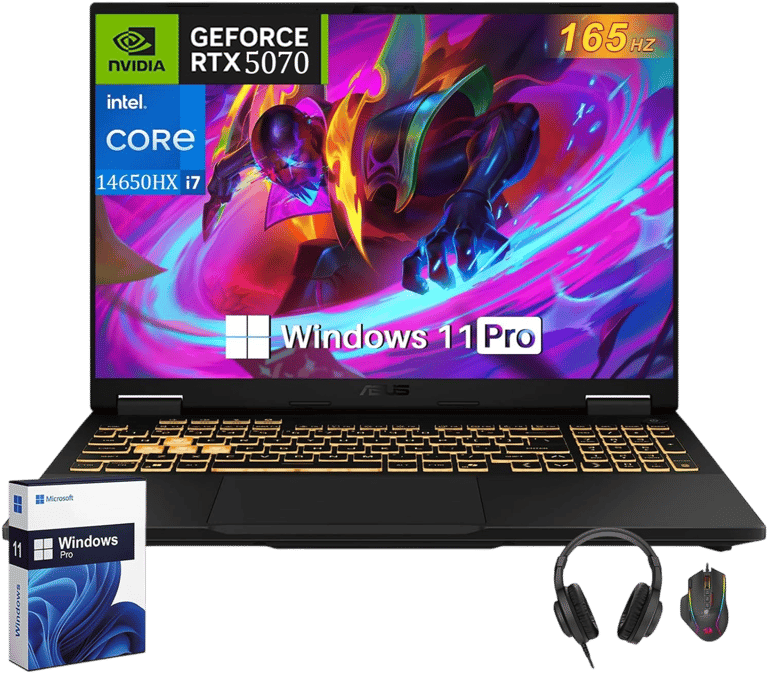
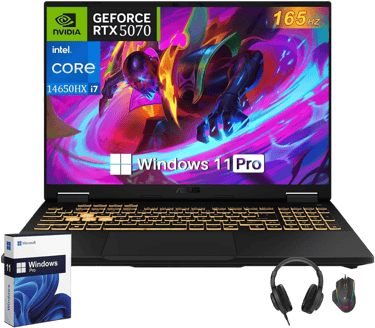
ASUS TUF F16 Gaming Laptop
Verdict:
Best value golf simulator laptop with RTX 5070 performance and massive RAM capacity.
Best For:
Portable GSPro setups and gamers wanting maximum value-per-dollar
Not Ideal For:
Users prioritizing quieter operation or premium chassis materials
Key Strengths:
RTX 5070 delivers strong QHD simulator performance
Massive 64GB DDR5 RAM configuration
Large 2TB SSD provides excellent storage headroom
Intel HX processor handles multitasking extremely well
Excellent overall value for the hardware included
Key Weaknesses:
Louder cooling system under heavy gaming loads
1200p display is weaker than QHD competitors
Build quality feels more budget-oriented than Legion systems
Real-World Use Case:
Excellent for golfers wanting a powerful portable simulator laptop without spending premium flagship money. This is the type of laptop many golfers eventually consider after reading Can Your PC Run GSPro? and realizing how demanding simulator software can become.
Setup Notes:
The combination of RTX 5070 graphics, 64GB RAM, and 2TB storage makes this one of the strongest long-term portable options in the group. For golfers researching portable simulator performance specifically, Can You Run a Golf Simulator on a Laptop? explains where gaming laptops perform surprisingly well.
This is especially appealing for users running:
GSPro
simulator software updates
streaming
launch monitor software
multitasking setups
If raw hardware value matters most, this laptop stands out immediately.
Specs:
CPU: Intel Core i7-14650HX
GPU: NVIDIA GeForce RTX 5070
RAM: 64GB DDR5
Storage: 2TB SSD
Display: 16-inch 1920x1200
Operating System: Windows 11 Pro
Connectivity: Wi-Fi 6 + Bluetooth
Best Use: Portable 1440p simulator setups
BUZZ PICK
ASUS TUF F16
Best Value
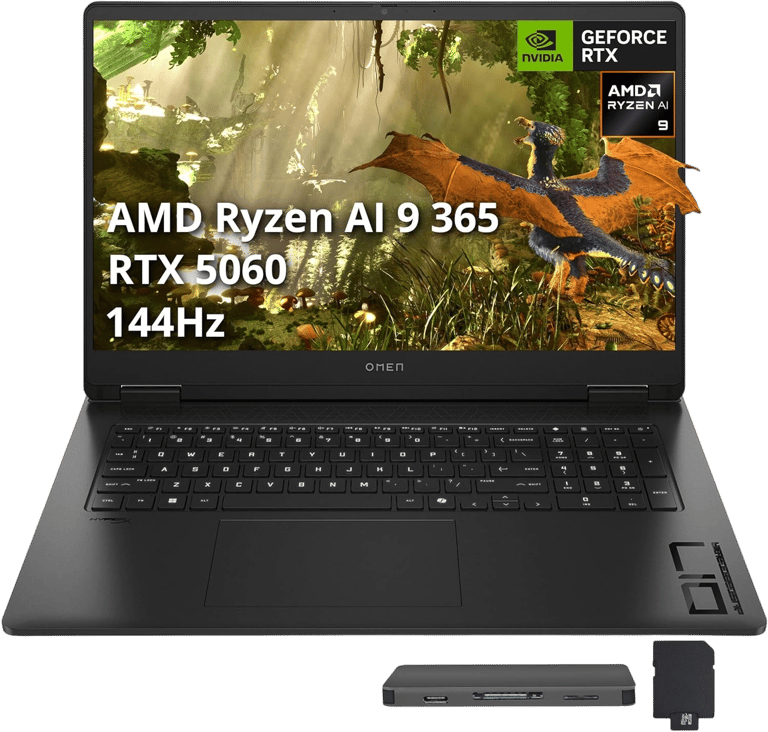
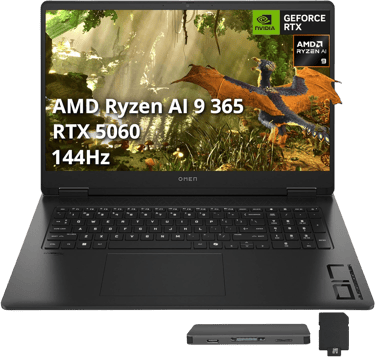
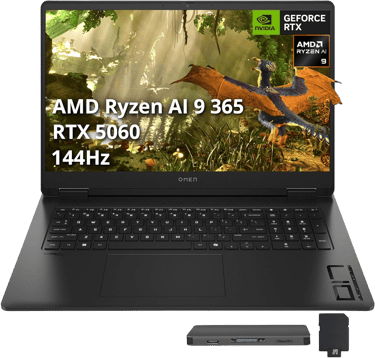
HP OMEN 17 Gaming AI Laptop
Verdict:
Best desktop replacement golf simulator laptop with a large immersive display.
Best For:
Garage simulator setups and users wanting a larger portable control screen
Not Ideal For:
Users wanting the strongest GPU performance available
Key Strengths:
Large 17.3-inch display improves usability
Ryzen AI processor handles multitasking well
Strong thermals for long gaming sessions
Excellent desktop replacement feel
Comfortable for simulator control station use
Key Weaknesses:
RTX 5060 is weaker than RTX 5070 competitors
1080p panel limits visual sharpness
Larger chassis reduces portability
Real-World Use Case:
Perfect for golfers wanting a portable simulator workstation that feels closer to a desktop gaming setup.
Setup Notes:
The larger screen makes this system especially attractive for GSPro menus, launch monitor software, simulator control stations, and portable simulator setups. For users wanting a larger mobile workstation experience, What PC Do You Need for TrackMan Simulator Software? also highlights why display size and usability matter.
While it lacks the raw GPU power of the RTX 5070 laptops, the overall usability and thermal design make it a very comfortable long-session machine.
Specs:
CPU: AMD Ryzen AI 9 365
GPU: NVIDIA RTX 5060 8GB
RAM: 32GB DDR5 5600MHz
Storage: 2TB SSD
Display: 17.3-inch 1080p IPS
Operating System: Windows 11 Home
Connectivity: Wi-Fi 6E + Bluetooth
Best Use: Portable simulator desktop replacement
BUZZ PICK
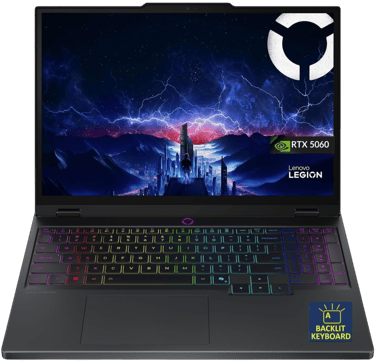
Lenovo Legion 5i
Best Overall
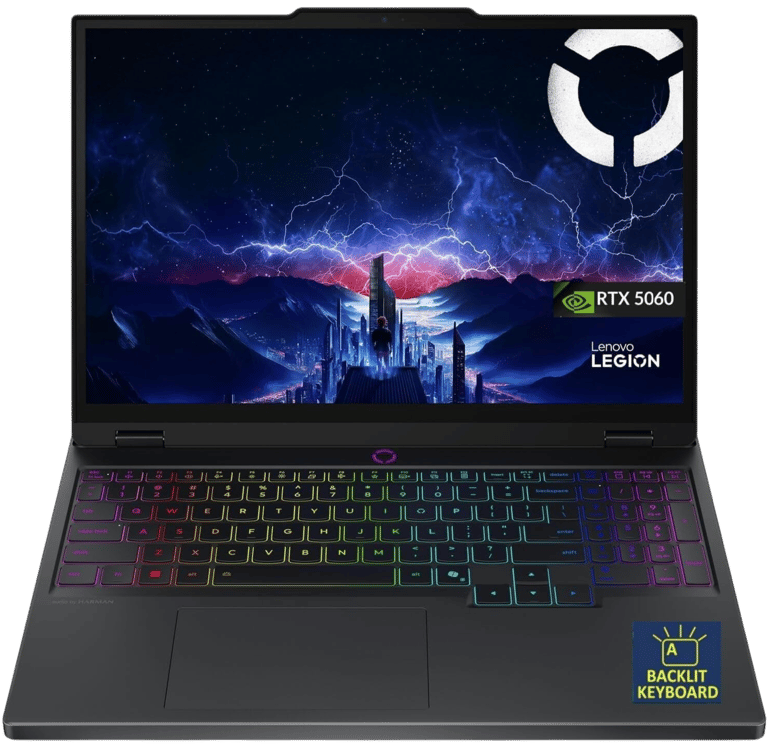
Lenovo Legion 5i
Verdict:
Best overall golf simulator laptop for balance, thermals, and display quality.
Best For:
Users wanting premium balance between gaming, portability, and simulator performance
Not Ideal For:
Buyers chasing maximum GPU power
Key Strengths:
Excellent 2560x1600 IPS display
Strong thermal and fan management
Premium overall build quality
Wi-Fi 7 and modern connectivity
Excellent all-around simulator experience
Key Weaknesses:
RTX 5060 is weaker than RTX 5070 systems
8GB VRAM limits future high-end simulator scaling
Less aggressive raw gaming performance
Real-World Use Case:
Ideal for golfers wanting one laptop that balances simulator use, gaming, portability, and daily productivity extremely well. For many golfers, this style of balanced portable setup becomes far more practical after researching Do You Need a Dedicated PC for a Golf Simulator?
Setup Notes:
The Legion line consistently delivers one of the best combinations of thermals, noise control, display quality, and sustained gaming performance. It’s also the kind of balanced system often recommended in Prebuilt vs Custom PC for Golf Simulators for users wanting fewer setup headaches.
The QHD+ display also makes simulator software and course detail look noticeably sharper than many 1080p competitors.
If you want the safest overall recommendation, this is likely the strongest balanced option.
Specs:
CPU: Intel Core Ultra 9 275HX
GPU: NVIDIA RTX 5060 8GB
RAM: 32GB DDR5
Storage: 1TB SSD
Display: 16-inch 2560x1600 IPS 240Hz
Operating System: Windows 11 Home
Connectivity: Wi-Fi 7 + Bluetooth 5.4
Best Use: Balanced QHD simulator setups
BUZZ PICK
HP OMEN 17
Best Desktop Replacement
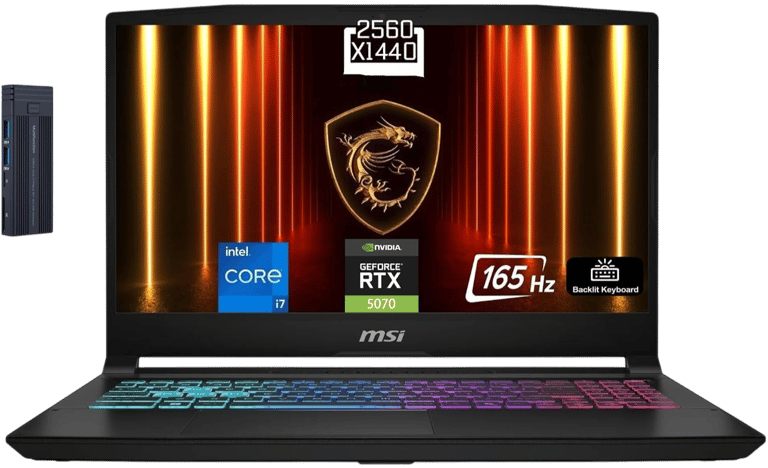
MSI Katana 15
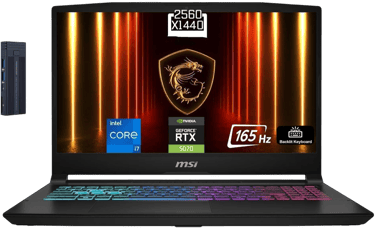
Verdict:
Best raw gaming laptop for high-FPS simulator and QHD gaming performance.
Best For:
Users prioritizing simulator FPS and aggressive gaming performance
Not Ideal For:
Users wanting quieter operation or premium build quality
Key Strengths:
RTX 5070 delivers strong simulator performance
QHD IPS display improves visual clarity
HX processor handles demanding workloads well
Strong gaming-focused hardware tuning
Excellent overall GSPro capability
Key Weaknesses:
Louder fan noise under load
Chassis quality feels less premium than Legion systems
Battery life is weaker during heavy usage
Real-World Use Case:
Great for golfers wanting strong QHD simulator performance in a more affordable gaming-focused laptop.
Setup Notes:
This system focuses heavily on raw gaming performance, making it especially strong for:
GSPro
QHD gameplay
simulator multitasking
portable gaming setups
The RTX 5070 gives it excellent long-term simulator capability, though thermals and fan noise are more aggressive than premium competitors. If simulator FPS matters heavily to your setup, 1080p vs 4K Golf Simulator Performance becomes an important consideration.
Specs:
CPU: Intel Core i7-14650HX
GPU: NVIDIA RTX 5070
RAM: 32GB DDR5 5600MHz
Storage: 1TB SSD
Display: 15.6-inch 2560x1440 IPS
Operating System: Windows 11 Home
Connectivity: Wi-Fi + Bluetooth
Best Use: QHD portable simulator gaming
BUZZ PICK
MSI Katana 15
Best Raw Performance
How Much Laptop Power Do You Actually Need for a Golf Simulator?
One of the biggest mistakes golfers make is assuming golf simulator software is lightweight. Modern platforms like GSPro, E6 Connect, and TGC 2019 can become surprisingly demanding once you start using QHD displays, projector setups, and multitasking launch monitor software.
That’s why many golfers begin researching Minimum vs Recommended Golf Simulator PC Specs before buying a gaming laptop.
For most portable golf simulator setups, the GPU matters more than the CPU once you move into higher resolutions and more advanced visuals. However, processor performance still affects responsiveness and simulator stability, which is why Does CPU Matter for Golf Simulators? remains important for higher-end laptop setups.
Better cooling and stronger laptop GPUs also help maintain smoother long-session simulator performance over time.
Does VRAM Matter for Golf Simulator Laptops?
Yes — especially for GSPro.
VRAM helps handle detailed course textures, lighting effects, projector rendering, higher resolutions, and smoother gameplay. As simulator software becomes more visually demanding, golfers also start researching What GPU Do You Need for a Golf Simulator? before choosing a portable setup.
This is one reason RTX 5070 laptops stand out so strongly for long-term simulator use.
More VRAM helps systems age better as golf simulator software continues becoming more graphically demanding.
Faster storage also becomes more noticeable at higher resolutions, especially for loading large simulator courses quickly, which is why SSD vs HDD for Golf Simulators remains important even for laptops.
1080p Laptop Setups
1080p laptops still work very well for:
smaller simulator rooms
portable setups
casual indoor practice
projector-based garage builds
They also place less stress on the GPU, helping maintain smoother performance.
QHD Laptop Setups
QHD displays dramatically improve:
course detail
menu clarity
launch monitor software visibility
overall simulator realism
If you plan on spending long hours practicing indoors, QHD gaming laptops are usually worth the investment.
1080p vs QHD Golf Simulator Laptops
Do Golf Simulator Laptops Need Good Cooling?
Absolutely.
Simulator software can place sustained loads on both the CPU and GPU for extended periods. Better cooling helps reduce thermal throttling, maintain stable FPS, lower keyboard temperatures, and improve long-term reliability. This becomes especially important after understanding What Happens If Your PC Isn’t Powerful Enough for a Golf Simulator?
This is one reason thicker gaming laptops often outperform thinner systems during long GSPro sessions.
What is the best
overall golf
simulator laptop?
The best laptop depends on your setup goals.
For balanced performance and usability, the Lenovo Legion 5i stands out immediately.
For raw hardware value, the ASUS TUF F16 delivers one of the strongest performance-per-dollar combinations in the group.
Meanwhile, the HP OMEN 17 works especially well for users wanting a larger desktop replacement experience.
A Message from Buzz the Editor
After decades of building PCs, working in the tech field, and being Hacker/Duffer on the course, there are three golf simulator components I would never cheap out on. You can still go Mid-Grade, but just don't go bottom dollar.
1. Cage & Impact Screen
Golf balls hit harder indoors than most people expect. A quality cage and impact screen help prevent bounce-back, damaged walls, and safety issues.
2. Hitting Turf/Mat
Cheap mats can be brutal on: wrists - elbows - shoulders - lower back
Good turf protects your body and creates a more realistic practice experience long term.
3. Your Golf Simulator Computer
This is a true “buy once, cry once” category. Cheap gaming PCs often struggle with newer simulator software, limited upgrades, and weaker long-term performance. In many cases, replacing an underpowered system later costs more than buying a stronger setup upfront.
If you plan on staying current with modern golf simulator software, your PC is not the place I would cut corners.
These are the same recommendations I would give family and friends building their own setups.
Frequently asked questions
What specs do you actually need for a golf simulator laptop?
For most golf simulator software, a strong GPU matters more than people expect. A good starting point is an RTX 4060-class GPU, 32GB RAM, a modern Intel Core i7 or Ryzen 7 processor, and fast SSD storage. If you plan on running GSPro regularly, stronger RTX 5070 laptops become much more attractive long term.
Is GSPro demanding on gaming laptops?
Yes. GSPro can push gaming laptops surprisingly hard, especially when paired with projector setups, higher graphics settings, or QHD displays. This is why cooling systems and GPU wattage matter so much for long-term simulator performance.
Are gaming laptops good for portable golf simulator setups?
Absolutely. Gaming laptops work extremely well for portable golf simulator setups because they allow you to move your launch monitor and simulator software between garages, offices, indoor rooms, or temporary practice spaces much more easily than a desktop PC.
Do gaming laptops overheat during long simulator sessions?
Some do. Golf simulator software can place heavy sustained loads on both the CPU and GPU for long periods of time. Better cooling systems help reduce thermal throttling, maintain smoother performance, and improve long-term reliability.
Is a QHD laptop worth it for golf simulators?
For many golfers, yes. QHD displays improve course detail, menu clarity, simulator visuals, and overall immersion. If you spend long practice sessions indoors, the sharper display quality is usually noticeable.
Does Wi-Fi matter for golf simulator laptops?
Yes. Portable golf simulator setups often rely heavily on wireless connectivity for simulator updates, online play, GSPro downloads, and launch monitor syncing. Built-in Wi-Fi makes setup much easier in garages or rooms without direct Ethernet access.
Can a gaming laptop replace a desktop golf simulator PC?
For many golfers, yes. Modern gaming laptops have become powerful enough to handle demanding simulator software while offering much better portability. However, desktop PCs still usually offer better long-term upgradeability and stronger cooling performance. For many golfers, modern gaming laptops have become powerful enough to handle demanding simulator software while offering much better portability. However, desktops still usually offer better long-term upgradeability and stronger cooling. Can You Use a Gaming PC for a Golf Simulator? explains where desktops still maintain advantages.
What is the best overall golf simulator laptop?
The best golf simulator laptop depends on your setup goals. The Lenovo Legion 5i stands out for balanced performance and display quality, while the ASUS TUF F16 offers one of the strongest value configurations available. Users wanting a larger desktop replacement experience may prefer the HP OMEN 17, while the MSI Katana 15 focuses more heavily on raw gaming performance.
Quick Picks for Your Sim Setup


BUZZ PICK
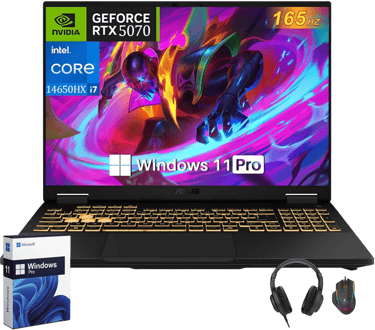
ASUS
TUF F16
RTX 5070 performance with massive RAM capacity
BUZZ PICK
Lenovo
Legion 5i
Premium balance of thermals and display quality
BUZZ PICK
HP
OMEN 17
Large-screen portable simulator workstation
BUZZ PICK
MSI
Katana 15
Aggressive QHD gaming and simulator power

Final Verdict
The best golf simulator laptop ultimately depends on your portability needs, simulator setup, and long-term upgrade expectations. For golfers building out a full portable or permanent simulator plan, the Complete Golf Simulator Computer Guide helps connect laptop performance, software demands, graphics expectations, and future-proofing together naturally.
If you want the safest all-around recommendation, the Lenovo Legion 5i delivers one of the best combinations of display quality, thermals, portability, and overall usability.
If maximum value matters most, the ASUS TUF F16 stands out immediately with RTX 5070 graphics, 64GB RAM, and a massive 2TB SSD configuration.
For larger portable setups and desktop replacement use, the HP OMEN 17 offers a comfortable big-screen experience that works especially well for simulator control stations.
And if raw gaming-focused simulator performance matters most, the MSI Katana 15 delivers excellent QHD GSPro capability in a more aggressive gaming-focused package.
Cheap gaming laptops often struggle with newer simulator software, limited cooling, and weaker long-term performance. In many cases, replacing an underpowered system later costs more than buying a stronger setup upfront. That’s why many golfers compare systems from Best Computers for Golf Simulators before committing to a portable-only setup.
Where Do You Want to Go Next?
Choose your path based on what you need right now.
Explore Everything
Dive deeper into:
golf sim PC requirements
GPU vs CPU performance
gaming desktop setups
GSPro computer guides
simulator PC upgrades
1080p vs 4K performance
This is the best place to better understand golf simulator computer performance and setup planning.
Compare Before You Buy
Trying to decide between a gaming laptop or desktop for your simulator setup?
Compare:
laptop portability
desktop performance
cooling and thermals
upgradeability
long-term value
If you simply want one of the strongest value golf simulator laptops available today, start with the ASUS TUF F16.
It offers:
RTX 5070 graphics
massive 64GB RAM
large 2TB SSD
strong GSPro capability
excellent long-term value
Just Get It Done
© 2026 GolfTechBuzz. All rights reserved.
Golf Tech Buzz
Performance Through Data
Practical guides, real-world setups, and unbiased comparisons for golfers building smarter practice environments.
General Inquiries: