
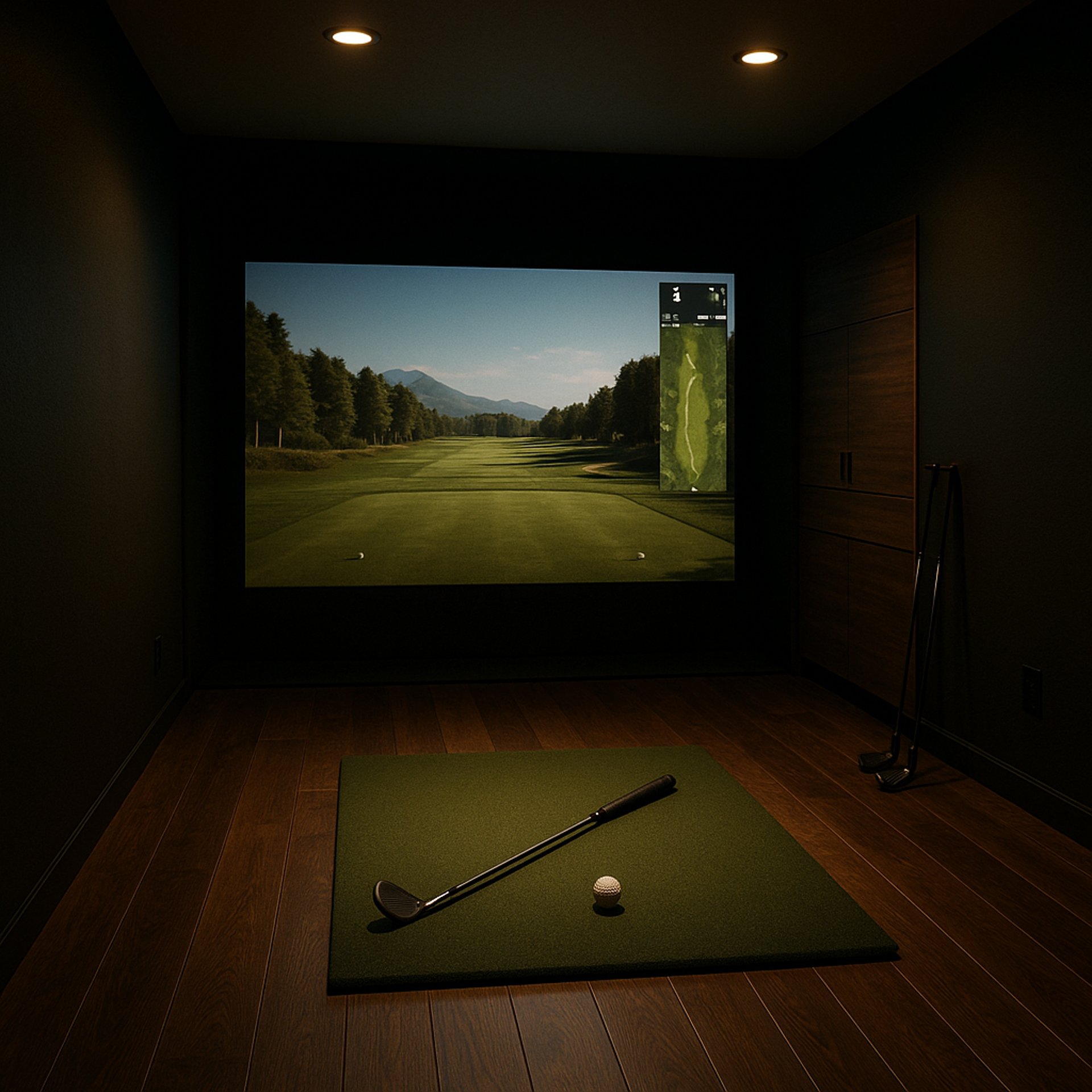
THE SHOWDOWN
Optoma UHZ35ST vs XGIMI HORIZON 20 Pro
Which Setup Actually Fits Your Space?
When comparing projectors for a golf simulator (or hybrid room), most people focus on specs like 4K, brightness, or input lag, but if you haven’t built your setup yet, the Golf Sim Projectors guide will help you understand what actually fits your space.
This is not a performance comparison.
This is a physical setup decision.
Transparency Note: We may earn a commission from qualifying purchases. Product selections are made independently and are not influenced by manufacturers.

Quick Verdict
(What You Should Know First)
If your setup requires short projection distance (under ~6 ft):
👉 Optoma UHZ35ST is the only one that fits
If your setup allows full room depth (~10–12 ft):
👉 Both projectors are viable
The difference is not power.
It’s placement constraints vs placement freedom.
If you're still figuring out your full setup, the Golf Simulator Projector Guide walks through placement, sizing, and buying decisions step-by-step.
The Comparison Products
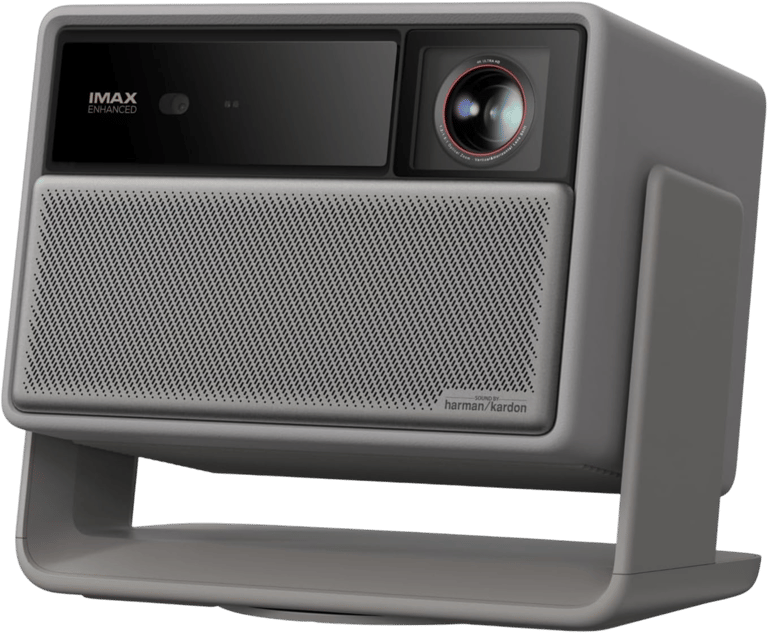
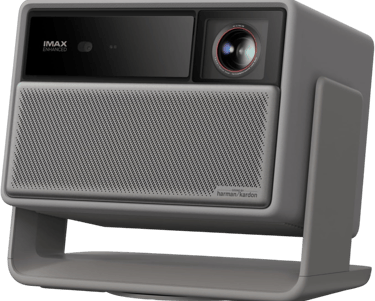
XGIMI HORIZON 20 Pro
Standard throw projector
Designed for flexible placement
Supports rear and ceiling mounting
Wider usable distance range
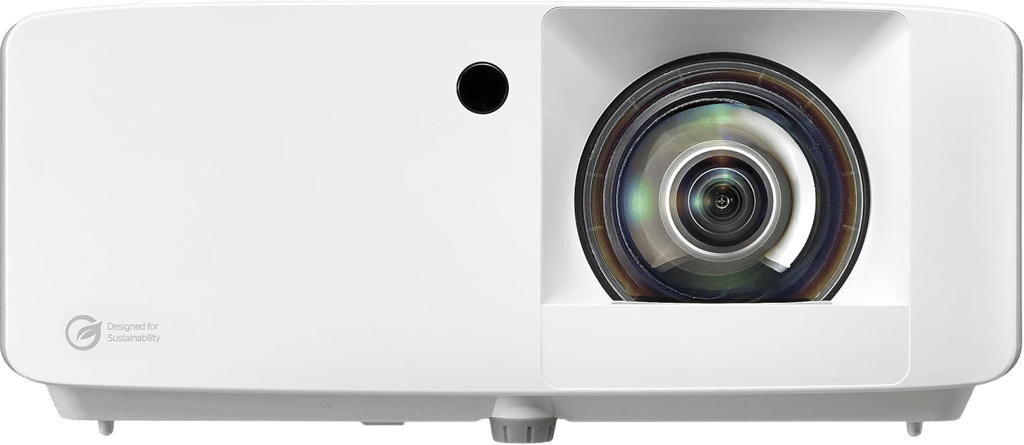
Optoma UHZ35ST
Short throw laser projector
Designed for close-range projection
Fixed projection distance range
Requires precise mounting distance
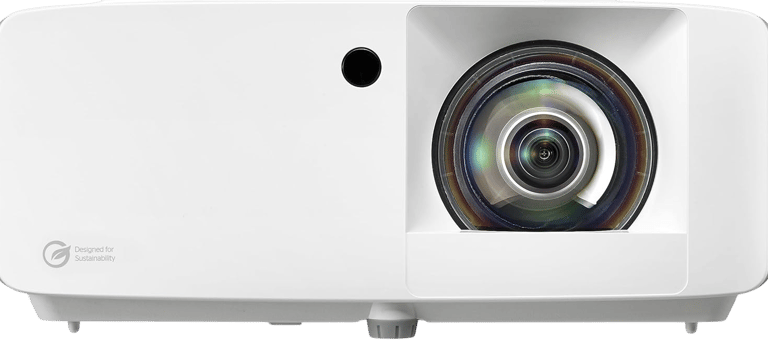
This isn’t a “which is better” decision.
It’s:
Fixed Geometry vs Flexible Geometry
Optoma UHZ35ST = Fixed Distance System
You’re:
Mounting within a narrow distance window
Designing placement around the projector
Solving for limited room depth
XGIMI Horizon 20 Pro = Flexible Distance System
You’re:
Using available room depth
Choosing mounting position freely
Designing the room first
👉 That’s the actual fork in the road.
The Real Difference
(Most People Miss This)
When to Choose Optoma UHZ35ST
Best for: Short-distance setups
Choose this if you:
Have limited room depth
Need a large image within ~4–6 ft
Want to reduce shadow length near the screen
Are building inside a garage or tight space
Why it works:
Short throw projection reduces required distance, allowing a full-size image in smaller spaces.
When to Choose XGIMI Horizon 20 Pro
Best for: Full-depth flexible setups
Choose this if you:
Have 10–12+ ft of room depth
Prefer mounting behind or above the hitting area
Want flexibility in placement
Are building a dual-use room (sim + movies)
Why it works:
Standard throw projection allows more mounting positions and greater distance from the impact zone.
HEAD-TO-HEAD CATEGORY BREAKDOWN
Performance Comparison
(What Actually Matters)
Image Quality
Both projectors output 4K-class images.
Differences depend on:
calibration
lighting
screen material
👉 No functional limitation for simulator use on either.
Input Lag
Both projectors:
Operate below 30ms
Fall within low-latency range
👉 Difference is not significant in simulator use.
Brightness
Optoma uses ANSI lumens
XGIMI uses ISO lumens
👉 These are different measurement systems
👉 Direct numeric comparison is not accurate
Both fall into high-brightness class suitable for simulators.
If you’re unsure how brightness actually impacts your setup, What Lumens Do You Need for a Golf Simulator? breaks it down for real-world conditions.
Projection & Setup Reality (Critical Section)
Short Throw (Optoma UHZ35ST)
Advantages:
Requires less room depth
Reduces shadow length near screen
Enables large image in tight spaces
Tradeoffs:
Closer to impact zone
Higher exposure to ball strikes or deflection
Narrow mounting distance window
Steeper projection angle
Standard Throw (XGIMI Horizon 20 Pro)
Advantages:
Increased distance from impact zone
Wider mounting options
Flatter projection angle
Better separation from player
Tradeoffs:
Longer shadow potential
Requires more room depth
Placement must account for player position relative to projector
Throw distance is everything here—What Throw Ratio Do You Need for a Golf Projector? will help you match projector placement to your room.
Optoma Setup
Must match throw distance precisely
Less forgiving placement
Requires accurate mounting alignment
👉 Less flexibility, more constraint
XGIMI Setup
More flexible placement options
Can be mounted farther back
Easier to reposition if needed
👉 More flexibility, fewer constraints
If you’re working in a tight space, Best Projector Placement for Small Golf Simulator Rooms will help you avoid common layout mistakes.
Common Mistakes to Avoid
Choosing based only on resolution
Ignoring throw distance requirements
Not measuring room depth before buying
Placing projector in swing or ball path
Assuming brightness numbers are directly comparable
Relying on digital keystone instead of proper alignment
Setup Differences (Where People Mess Up)
Which One Should You Choose?


Choose Optoma UHZ35ST if:
Your room depth is limited
You need a large image at short distance
You are solving for space constraints
Choose XGIMI Horizon 20 Pro if:
You have sufficient room depth
You want flexible mounting positions
You prefer distance between projector and hitting area
You are building a multi-use room
THE SHOWDOWN
Optoma UHZ35ST
XGIMI H 20 Pro
✓ Reduced Shadows
✓ Tight Spaces
✓ Short Throw
✓ Flexible Placement
✓ Multi-Purpose
✓ Rear Mounting





Frequently asked questions
What is the main difference between short throw and standard throw projectors?
Short throw projectors create large images at close distances (around 4–6 ft), while standard throw projectors require more distance (around 10–12 ft for similar image sizes). This directly affects where the projector can be mounted.
Is input lag different between these two projectors?
Both projectors operate in low-latency ranges below 30ms, which is considered good for golf simulators. The difference between them is small and typically not noticeable during normal use.
Can both projectors be used for a golf simulator?
Yes. Both projectors meet the basic requirements for simulator use, including resolution, brightness class, and input responsiveness. The deciding factor is room layout and placement.
Why does throw distance matter for a golf simulator?
Throw distance determines where the projector must be placed to create the correct image size. This impacts mounting position, swing clearance, and overall room layout.
Does a short throw projector eliminate shadows completely?
No. Short throw projectors reduce shadow length but do not eliminate shadows entirely. Player position and lighting still affect shadow visibility.
Is a standard throw projector safer from ball impact?
In many setups, yes. Because it is mounted farther from the hitting area, there is more physical separation between the projector and the ball path.
Are brightness ratings directly comparable between these two models?
No. Optoma uses ANSI lumens while XGIMI uses ISO lumens. These are different measurement standards, so the numbers should not be directly compared.
Which projector is better for a multi-purpose room?
A standard throw projector is typically easier to integrate into a multi-purpose room because it allows more flexible placement and can be positioned farther from the screen.
Final Verdict
Both projectors:
Meet core performance requirements
Deliver low input lag
Provide high brightness output
The decision comes down to:
👉 Required projection distance
👉 Available room depth
👉 Preferred mounting position
To compare real options that fit these setups, check Best Projectors for Golf Simulators and Best Projectors Under $1,000 for top picks.
© 2026 GolfTechBuzz. All rights reserved.
Golf Tech Buzz
Performance Through Data
Practical guides, real-world setups, and unbiased comparisons for golfers building smarter practice environments.
General Inquiries: